Dhea Safitri Ramadhani 1 , Antonio Ayrton Widiastara 2 , Juniastuti 3*
Authors affiliations:
Monkeypox, a zoonotic disease caused by the monkeypox virus, has re-emerged as a significant public health concern in recent years. Despite efforts to control its spread, the disease continues to pose challenges to global health security. The current challenges are multifaceted, including the lack of standardized diagnostic tools, limited awareness and education, inadequate healthcare infrastructure in many affected countries, and various sexual orientations. Therefore, we conducted a comprehensive review of existing literature on monkeypox prevention and treatment strategies, including vaccination, antiviral therapy, and the newcome biomarkers treatment. Our analysis revealed that while vaccination is effective in preventing monkeypox, its availability and accessibility remain limited in many parts of the world. Furthermore, antiviral therapy has been used for patients with an immune system deficiency and vaccine contraindications.
In conclusion, effective prevention and treatment strategies for monkeypox require a multidisciplinary approach that addresses the current challenges and leverages prospects. Further research is needed to develop more effective therapeutic agents, diagnostic tools, and vaccines to combat this emerging disease threat.
Abbreviations: DNA - Deoxyribonucleic acid; CDC - Centers for Disease Control and Prevention; VIGIV - vaccinia immune globulin intravenous; UKHSA - United Kingdom Health Security Agency; MHS - male homosexual; GBMSM - gay, bisexual and male homosexual; STDs - sexually transmitted diseases; HIV/AIDS - human immunodeficiency virus/Acquired immunodeficiency syndrome
Keywords: AIDS; Challenges; HIV; Monkeypox; Prevention; Sexually transmitted disease; Treatment; Vaccines
Citation: Ramadhani VS, Widiastara AA, Juniastuti. Monkeypox prevention and treatment strategies - current challenges and prospects.Anaesth. pain intensive care 2025;29(6):607-613; DOI: 10.35975/apic.v29i6.2906
Received: January 02, 2025; Revised: August 06, 2025; Accepted: August 09, 2025
It has been more than 4 years since the outbreak of the Coronavirus pandemic, or famously known as COVID-19, hit the world.1 Since then, all of the health providers have mostly focused on the pandemic, and other diseases have been neglected. Hence, the result was a new outbreak caused by the monkeypox virus as a new threat to the world’s healthcare system.2,3 Monkeypox is an infectious disease caused by the monkeypox virus, and the clinical skin manifestations are comparable to smallpox.3,4 Monkeypox is within the Poxviridae family and the Orthopoxvirus genus, which includes it in a group of zoonotic viruses. The Poxviridae family is big, enveloped, and has double-stranded DNA (see Figure 1),5 as observed in a variety of isolated animals.6 The main hosts of Poxviridae are non-human primates, rodents, and rabbits. These hosts can sometimes spread to humans, which makes human-to-human transmission more likely.6
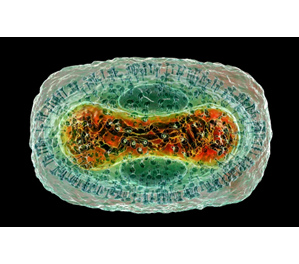
Figure 1: Monkeypox virus particle
In 1958, a case of monkeypox was reported among monkeys transported from Singapore to Denmark.4 Further outbreaks in captive monkeys were documented in the USA, the Netherlands, and France over the next ten years. In 1970, the Democratic Republic of the Congo reported the first human case of monkeypox infection. The victim was a 9-month-old boy who was the only person in his family who had not had a smallpox vaccination.4,6 According to the Centers for Disease Control and Prevention (CDC), supportive care is usually enough for people with a monkeypox virus infection, and there are no specific medicines available.3,7 On the other hand, smallpox vaccinations, antivirals (like Tecovirimat)7, and vaccinia immune globulin intravenous (VIGIV) have been used to contain smaller outbreaks; these treatments can be obtained by consulting the CDC.3,7
Over the years, monkeypox has caused several minor outbreaks until it emerged in 2022. On May 7, 2022, the first cluster of monkeypox cases hit the United Kingdom, specifically in London, with a patient with a recent travel history from Nigeria, South Africa, where monkeypox is labelled as an endemic disease in the country.8 The monkeypox cluster based on the WHO, European region, has positively confirmed 1112 (87%) cases out of 1285 suspected monkeypox cases.9 As of June 8, 2022, 336 laboratory-confirmed cases of monkeypox had been detected in the United Kingdom, according to a technical briefing released by the UK Health Security Agency (UKHSA).8
The recent monkeypox outbreak has shown a new challenge to the world, for the reason that, besides the endemic area travel history of patients with monkeypox, the disease is actively transmitted between the MHS (male homosexual) practice, or described as male homosexual and male bisexual categories.10,11 The virus transmission from human to human frequently occurs through body fluids, such as saliva, pulmonary excretions, or discharge from cutaneous or mucosal lesions, and in feces in some areas.11,12 However, several studies have reported that the transmission of monkeypox through sexual activity is still unclear, and there is a need to learn more.6,12,13
With this type of transmission, and with a variety of sexual orientations nowadays, this paper aims to discuss future prevention and treatment strategies based on the challenges found in various countries, as well as exploring plans for dealing with the monkeypox outbreak.
The monkeypox outbreak, which usually comes up with only minor outbreaks, has changed its nature in 2022 when it hit London with a patient who had arrived from Nigeria.8 This new outbreak brought to the human species some new challenges to work on. Some of the challenges include its way of transmission, which is different from COVID-19 (mainly airborne droplets).14 The monkeypox virus can be transmitted via close physical touch, such as long-term face-to-face, skin-to-skin, mouth-to-mouth, or mouth-to-skin contact (kissing, nursing, or intercourse).14,15 It also suggests the higher prevalence of monkeypox is among gays and bisexuals with close skin-to-skin contact, including oral, anal, and vaginal sex.10,11,14,16
Monkeypox virus basically comes from the same genus as smallpox, the Orthopoxvirus. These same virus genera usually would distinguish each other, based on the immune response of the host body.24 Since it correlates with the host immune response, a couple of studies show that an increasingly immunologically naive populace has been proposed as the cause of the rise in monkeypox incidence since smallpox immunization ended.24–27
Smallpox was exterminated around 30 years ago; however, the same virus genus is still able to infect people.28 Therefore, smallpox vaccination is in a need to prevent people from getting monkeypox virus infection. The vaccine has been used in a previous incident, but is also eligible to be used as the current prevention. The efficacy of the vaccines works as;
1) There are many shared immune epitopes due to the high degree of sequence similarity across orthopoxviruses, particularly among immunologically important proteins;
2) The extensive response, as antibodies have been found to target at least 24 structural and membrane proteins, which, similar to CD4 T cells, favourably recognize structural proteins, while CD8 T cells target proteins created early in the viral lifecycle; nevertheless, T-cell responses also recognize epitopes within a wide variety of viral proteins.24,29–32
Besides vaccination, there are also some old-school ways of preventing diseases, such as monkeypox, that currently may work against it as well. These ways are included avoid direct contact or skin-to-skin contact with individuals who have a monkeypox-like rash; avoid using items or supplies that someone who has monkeypox has used; steer clear of direct contact with rats and primates, two wild creatures that can spread monkeypox; frequently clean one hands using soap or an alcohol-based sanitizing gel; and ensure that all meat-containing foods are cooked properly and evade consuming meat from wild animals.33–35
Since the monkeypox virus spread in society, besides smallpox vaccination being used as a prevention, antivirals also play an important role in treating patients with monkeypox. Antivirals are commonly used for patients with vaccine contraindications, and patients with an immunocompromised system, who are not able to receive the vaccine due to its harmful reactions against these patients.28
Antivirals such as tecovirimat, brincidofovir, and cidofovir, were tested against monkeypox viral infection, and the results showed that these antivirals have a defence mechanism against Orthopoxvirus species.28,36,37 Among these three antivirals, tecovirimat has been licensed for use by the USA Food and Drug Administration since July 2018, and it showed a remarkable result in decreasing viral replication against the experimental model of monkeypox.38 Humans have already utilized the broad-spectrum antiviral cidofovir to treat a variety of illnesses and viral infections besides the poxvirus. Treatment with cidofovir decreased the development of lesions and the mortality rate.
Additionally, it reduced the production of cytokines and chemokines in rodents infected with monkeypox.39 Brincidofovir, on the other hand, is a cidofovir with a diphosphate prodrug that inhibits the synthesis of viral DNA by the Orthopoxvirus DNA polymerase.40
The pursuit of new biomarkers, creative designs, and delivery methods for targeted medications is propelling the next wave of advancements in monkeypox treatment. Additionally, the assessment of certain biomarkers may be the primary motivator for developing new monkeypox prediction targets.28 Various studies have determined that certain biomarkers, show significant associations with the smallpox virus and could serve as potential targets for monkeypox, as both share similar pathogenesis in humans (Box 1).
The monkeypox virus is the cause of this infectious disease, which has a similar clinical skin presentation to smallpox. Among the difficulties identified were population expansion, immune system deterioration, a lack of diagnostic tools, sexual orientation diversity, and a lack of infrastructure and food supplies. Monkeypox prevention essentially involves the same fundamental practices as other infectious diseases, including vaccination. However, antivirals are used to limit viral replication and the production of cytokines and chemokines in rodents infected with monkeypox, as some individuals are unsuitable for vaccinations. The search for biomarkers is the main driving force behind the creation of novel monkeypox prediction targets for future therapy.
7. Conflict of Interests
The authors declared no conflict of interest.
8. Author’s Contribution
DSR: Concept, literature search, manuscript writing, bibliography editing
AAW: Concept, literature search, manuscript writing
J: Concept, literature searching, proofreading
Authors affiliations:
- Dhea Safitri Ramadhani, Medical Doctor, Faculty of Medicine, Universitas Airlangga, Surabaya, Indonesia; Email: dheasrmdhani@gmail.com, {ORCID:0009-0008-8804-197X}
- Antonio Ayrton Widiastara, Master Program in Tropical Medicine, Faculty of Medicine, Universitas Airlangga, Surabaya, Indonesia; Email: ayrtonwd1998@gmail.com, {ORCID: 0000-0002-2164-912X}
- Juniastuti, Department of Medical Microbiology, Faculty of Medicine, Universitas Airlangga, Surabaya, Indonesia; Email: junsf@fk.unair.ac.id, {ORCID: 0000-0002-1437-640X}
ABSTRACT
Monkeypox, a zoonotic disease caused by the monkeypox virus, has re-emerged as a significant public health concern in recent years. Despite efforts to control its spread, the disease continues to pose challenges to global health security. The current challenges are multifaceted, including the lack of standardized diagnostic tools, limited awareness and education, inadequate healthcare infrastructure in many affected countries, and various sexual orientations. Therefore, we conducted a comprehensive review of existing literature on monkeypox prevention and treatment strategies, including vaccination, antiviral therapy, and the newcome biomarkers treatment. Our analysis revealed that while vaccination is effective in preventing monkeypox, its availability and accessibility remain limited in many parts of the world. Furthermore, antiviral therapy has been used for patients with an immune system deficiency and vaccine contraindications.
In conclusion, effective prevention and treatment strategies for monkeypox require a multidisciplinary approach that addresses the current challenges and leverages prospects. Further research is needed to develop more effective therapeutic agents, diagnostic tools, and vaccines to combat this emerging disease threat.
Abbreviations: DNA - Deoxyribonucleic acid; CDC - Centers for Disease Control and Prevention; VIGIV - vaccinia immune globulin intravenous; UKHSA - United Kingdom Health Security Agency; MHS - male homosexual; GBMSM - gay, bisexual and male homosexual; STDs - sexually transmitted diseases; HIV/AIDS - human immunodeficiency virus/Acquired immunodeficiency syndrome
Keywords: AIDS; Challenges; HIV; Monkeypox; Prevention; Sexually transmitted disease; Treatment; Vaccines
Citation: Ramadhani VS, Widiastara AA, Juniastuti. Monkeypox prevention and treatment strategies - current challenges and prospects.Anaesth. pain intensive care 2025;29(6):607-613; DOI: 10.35975/apic.v29i6.2906
Received: January 02, 2025; Revised: August 06, 2025; Accepted: August 09, 2025
1. INTRODUCTION
It has been more than 4 years since the outbreak of the Coronavirus pandemic, or famously known as COVID-19, hit the world.1 Since then, all of the health providers have mostly focused on the pandemic, and other diseases have been neglected. Hence, the result was a new outbreak caused by the monkeypox virus as a new threat to the world’s healthcare system.2,3 Monkeypox is an infectious disease caused by the monkeypox virus, and the clinical skin manifestations are comparable to smallpox.3,4 Monkeypox is within the Poxviridae family and the Orthopoxvirus genus, which includes it in a group of zoonotic viruses. The Poxviridae family is big, enveloped, and has double-stranded DNA (see Figure 1),5 as observed in a variety of isolated animals.6 The main hosts of Poxviridae are non-human primates, rodents, and rabbits. These hosts can sometimes spread to humans, which makes human-to-human transmission more likely.6
Figure 1: Monkeypox virus particle
2. Historical Background
In 1958, a case of monkeypox was reported among monkeys transported from Singapore to Denmark.4 Further outbreaks in captive monkeys were documented in the USA, the Netherlands, and France over the next ten years. In 1970, the Democratic Republic of the Congo reported the first human case of monkeypox infection. The victim was a 9-month-old boy who was the only person in his family who had not had a smallpox vaccination.4,6 According to the Centers for Disease Control and Prevention (CDC), supportive care is usually enough for people with a monkeypox virus infection, and there are no specific medicines available.3,7 On the other hand, smallpox vaccinations, antivirals (like Tecovirimat)7, and vaccinia immune globulin intravenous (VIGIV) have been used to contain smaller outbreaks; these treatments can be obtained by consulting the CDC.3,7
Over the years, monkeypox has caused several minor outbreaks until it emerged in 2022. On May 7, 2022, the first cluster of monkeypox cases hit the United Kingdom, specifically in London, with a patient with a recent travel history from Nigeria, South Africa, where monkeypox is labelled as an endemic disease in the country.8 The monkeypox cluster based on the WHO, European region, has positively confirmed 1112 (87%) cases out of 1285 suspected monkeypox cases.9 As of June 8, 2022, 336 laboratory-confirmed cases of monkeypox had been detected in the United Kingdom, according to a technical briefing released by the UK Health Security Agency (UKHSA).8
The recent monkeypox outbreak has shown a new challenge to the world, for the reason that, besides the endemic area travel history of patients with monkeypox, the disease is actively transmitted between the MHS (male homosexual) practice, or described as male homosexual and male bisexual categories.10,11 The virus transmission from human to human frequently occurs through body fluids, such as saliva, pulmonary excretions, or discharge from cutaneous or mucosal lesions, and in feces in some areas.11,12 However, several studies have reported that the transmission of monkeypox through sexual activity is still unclear, and there is a need to learn more.6,12,13
With this type of transmission, and with a variety of sexual orientations nowadays, this paper aims to discuss future prevention and treatment strategies based on the challenges found in various countries, as well as exploring plans for dealing with the monkeypox outbreak.
| Table 1: Monkeypox outbreak challenges found in different countries | ||
| Author, Year | Country | Challenges |
| Precious et al, 202317
Olaleke et al, 202218 |
Nigeria | Some of the challenges found were including 1) The growth of population over few past years; 2) Decrease of immunity system due to other disease complications; 3) Limitation in technologies to help diagnosing; and 4) Requirements for experts in achieving successful surveillance results, starting from gathering, evaluating, interpreting, until disseminating health data to support effective and efficient public health action and decision-making. |
| Awan et al, 202219 | Democratic Republic of the Congo | Challenges found, were a lack of prompt diagnosis and adequate treatment, which could lead to uncontrolled spread and further reduction based upon limited resources. The deficiency of the smallpox vaccine also plays a role as a challenge, whereas the vaccine has a benefit against monkeypox, which is same as eliminating smallpox. The same challenges are found in its neighbouring countries, like Cameroon and South Sudan. |
| UK Health Security Agency, 202420
Idris & Adesola, 202321 |
United Kingdom | The most confirmed cases in the United Kingdom were concentrated in England, with a total of 320 cases. Between these cases, there were one hundred and fifty-one identified as gay, bisexual, and other men who have sex with men (GBMSM), or reported same sex contact. Furthermore, it is difficult to determine the amount of local transmission; thus, it is possible that more instances could be found or that other people will be infected but not exhibit any symptoms of the disease. Since the virus is not endemic in the UK, there would be little herd immunity. |
| Kumar et al, 202222 | United States of America | The challenges in the United States of America share a commonality with the United Kingdom, where the monkeypox virus infects more men who have sex with men (MHS). These MHS are also at a higher risk of contracting other sexually transmitted diseases (STDs), such as HIV/AIDS. It is noteworthy that in the days ahead, careful observation will be needed for other comorbidities as well, such as monkeypox virus coinfection with other STDs, for instance, hepatitis B or C infection. In the United States and around the world, prospects for economic growth will be immediately threatened by the recent increase in monkeypox cases. The longer this monkeypox outbreak is not controlled, the more difficult the economic problems will become. Other difficulties for persons include social stigma and social distance. |
| Nelwan et al, 202423 | Indonesia | As a developing country, an important consideration in areas with limited resources and infrastructure is the possibility of coming into contact with the excrement of diseased animals. Furthermore, a large number of people in these regions choose to live close to forests where infected animals are more common or they sleep on the ground outside. Hunting becomes necessary in environments with few resources and basic needs like food, which increases the chance of monkeypox infection. Animal-to-animal transmission is more common than human-to-human transmission and frequently involves respiratory droplets, direct contact, and contact with lesions among infected individuals. |
3. Challenges in Monkeypox Outbreak
The monkeypox outbreak, which usually comes up with only minor outbreaks, has changed its nature in 2022 when it hit London with a patient who had arrived from Nigeria.8 This new outbreak brought to the human species some new challenges to work on. Some of the challenges include its way of transmission, which is different from COVID-19 (mainly airborne droplets).14 The monkeypox virus can be transmitted via close physical touch, such as long-term face-to-face, skin-to-skin, mouth-to-mouth, or mouth-to-skin contact (kissing, nursing, or intercourse).14,15 It also suggests the higher prevalence of monkeypox is among gays and bisexuals with close skin-to-skin contact, including oral, anal, and vaginal sex.10,11,14,16
4. Previous and Current Prevention Practices
Monkeypox virus basically comes from the same genus as smallpox, the Orthopoxvirus. These same virus genera usually would distinguish each other, based on the immune response of the host body.24 Since it correlates with the host immune response, a couple of studies show that an increasingly immunologically naive populace has been proposed as the cause of the rise in monkeypox incidence since smallpox immunization ended.24–27
Smallpox was exterminated around 30 years ago; however, the same virus genus is still able to infect people.28 Therefore, smallpox vaccination is in a need to prevent people from getting monkeypox virus infection. The vaccine has been used in a previous incident, but is also eligible to be used as the current prevention. The efficacy of the vaccines works as;
1) There are many shared immune epitopes due to the high degree of sequence similarity across orthopoxviruses, particularly among immunologically important proteins;
2) The extensive response, as antibodies have been found to target at least 24 structural and membrane proteins, which, similar to CD4 T cells, favourably recognize structural proteins, while CD8 T cells target proteins created early in the viral lifecycle; nevertheless, T-cell responses also recognize epitopes within a wide variety of viral proteins.24,29–32
Besides vaccination, there are also some old-school ways of preventing diseases, such as monkeypox, that currently may work against it as well. These ways are included avoid direct contact or skin-to-skin contact with individuals who have a monkeypox-like rash; avoid using items or supplies that someone who has monkeypox has used; steer clear of direct contact with rats and primates, two wild creatures that can spread monkeypox; frequently clean one hands using soap or an alcohol-based sanitizing gel; and ensure that all meat-containing foods are cooked properly and evade consuming meat from wild animals.33–35
5. Recent and Future Treatments
Since the monkeypox virus spread in society, besides smallpox vaccination being used as a prevention, antivirals also play an important role in treating patients with monkeypox. Antivirals are commonly used for patients with vaccine contraindications, and patients with an immunocompromised system, who are not able to receive the vaccine due to its harmful reactions against these patients.28
Antivirals such as tecovirimat, brincidofovir, and cidofovir, were tested against monkeypox viral infection, and the results showed that these antivirals have a defence mechanism against Orthopoxvirus species.28,36,37 Among these three antivirals, tecovirimat has been licensed for use by the USA Food and Drug Administration since July 2018, and it showed a remarkable result in decreasing viral replication against the experimental model of monkeypox.38 Humans have already utilized the broad-spectrum antiviral cidofovir to treat a variety of illnesses and viral infections besides the poxvirus. Treatment with cidofovir decreased the development of lesions and the mortality rate.
Additionally, it reduced the production of cytokines and chemokines in rodents infected with monkeypox.39 Brincidofovir, on the other hand, is a cidofovir with a diphosphate prodrug that inhibits the synthesis of viral DNA by the Orthopoxvirus DNA polymerase.40
The pursuit of new biomarkers, creative designs, and delivery methods for targeted medications is propelling the next wave of advancements in monkeypox treatment. Additionally, the assessment of certain biomarkers may be the primary motivator for developing new monkeypox prediction targets.28 Various studies have determined that certain biomarkers, show significant associations with the smallpox virus and could serve as potential targets for monkeypox, as both share similar pathogenesis in humans (Box 1).
| Box 1: Biomarkers with potential targets for monkeypox pathogenesis in humans |
| § Deoxythymidylate kinase,41
§ Actin beta,42 § Calpastatin,43 § SH3 domain binding protein 4,44 § T cell receptor beta variable 20/OR9-2,45 § Cyclin-dependent kinase 5 regulatory subunits 1, § Cell division cycle associated 5, § Interleukin 12A, § Ficolin 2, § GTP cyclohydrolase I feedback regulator, § Uroplakin 3B, § Annexin A1, § MNAT1 component of CDK activating kinase,46 § signal transducer and activator of transcription 3,47 § Retinoid X receptor alpha,48 § Interferon gamma,49 § Ubiquitin specific peptidase 9 X-linked,50 § Interleukin 15,51 § Membrane-associated ring-CH-type finger 1,52 § Tumor necrosis factor,53 § WASP actin nucleation promoting factor,54 § Makorin ring finger protein 3,55 § Tyrosinase,56 and § Major histocompatibility complex class I A,56 |
6. CONCLUSION
The monkeypox virus is the cause of this infectious disease, which has a similar clinical skin presentation to smallpox. Among the difficulties identified were population expansion, immune system deterioration, a lack of diagnostic tools, sexual orientation diversity, and a lack of infrastructure and food supplies. Monkeypox prevention essentially involves the same fundamental practices as other infectious diseases, including vaccination. However, antivirals are used to limit viral replication and the production of cytokines and chemokines in rodents infected with monkeypox, as some individuals are unsuitable for vaccinations. The search for biomarkers is the main driving force behind the creation of novel monkeypox prediction targets for future therapy.
7. Conflict of Interests
The authors declared no conflict of interest.
8. Author’s Contribution
DSR: Concept, literature search, manuscript writing, bibliography editing
AAW: Concept, literature search, manuscript writing
J: Concept, literature searching, proofreading
9. REFERENCES
- CDC Museum COVID-19 Timeline [Internet]. 2023 [cited 2024 Sep 8]. Available from: https://www.cdc.gov/museum/timeline/covid19.html
- Yang Z. Monkeypox: A potential global threat? J Med Virol. 2022;94(9):e4234. [PubMed] DOI: 1002/jmv.27884
- Rizk JG, Lippi G, Henry BM, Forthal DN, Rizk Y. Prevention and Treatment of Monkeypox. Drugs. 2022;82(9):957-63. [PubMed] DOI: 1007/s40265-022-01742-y
- Mitjà O, Ogoina D, Titanji BK, Galvan C, Muyembe JJ, Marks M, et al. Monkeypox. Lancet. 2023;401(10370):60-74. [PubMed] DOI: 1016/S0140-6736(22)02075-X
- Reardon S. Why is Monkeypox Evolving So Fast? [Internet]. 2022 Jul [cited 2024 Dec 18]. Available from: https://www.scientificamerican.com/article/why-is-monkeypox-evolving-so-fast/
- Kaler J, Hussain A, Flores G, Kheiri S, Desrosiers D. Monkeypox: A Comprehensive Review of Transmission, Pathogenesis, and Manifestation. Cureus. 2022;14(7):e26531. [PubMed] DOI: 7759/cureus.26531
- Mpox Treatment Information for Healthcare Professionals [Internet]. 2024 [cited 2024 Sep 8]. Available from: https://www.cdc.gov/poxvirus/mpox/clinicians/treatment.html
- Girometti N, Byrne R, Bracchi M, Heskin J, McOwan A, Tittle V, et al. Demographic and clinical characteristics of confirmed human monkeypox virus cases in individuals attending a sexual health centre in London, UK: an observational analysis. Lancet Infect Dis. 2022;22(9):1321-8. [PubMed] DOI: 1016/S1473-3099(22)00411-X
- World Health Organization. Multi-Country Monkeypox Outbreak: Situation Update. Geneva: WHO; 2022. Available from: https://www.who.int/emergencies/disease-outbreak-news/item/2022-DON396
- Ferdous J, Barek MA, Hossen MS, Bhowmik KK, Islam MS. A review on monkeypox virus outbreak: New challenge for world. Health Sci Rep. 2023;6(1):e1007. [PubMed] DOI: 1002/hsr2.1007
- World Health Organization. Mpox (monkeypox) Outbreak 2022. Geneva: WHO; 2022. Available from: https://www.who.int/emergency/situations/monkeypox-oubreak-2022
- Islam MR, Nowshin DT, Khan MR, Shahriar M, Bhuiyan MA. Monkeypox and sex: Sexual orientations and encounters are key factors to consider. Health Sci Rep. 2023;6(1):e1008. [PubMed] DOI: 1002/hsr2.1069
- Luo Q, Han J. Preparedness for a monkeypox outbreak. Infect Med. 2022;1(2):124-34. [PubMed] DOI: 1016/j.imj.2022.07.001
- Iqbal SP, Jaffri SA. Monkeypox: A Global Challenge. Liaquat Natl J Prim Care. 2022;4(1):134-40. Full Text
- Alakunle E, Moens U, Nchinda G, Okeke MI. Monkeypox virus in nigeria: Infection biology, epidemiology, and evolution. Viruses. 2020;12(11):1257. [PubMed] DOI: 3390/v12111257
- Mahase E. Monkeypox: What do we know about the outbreaks in Europe and North America? BMJ. 2022;377:o1274. [PubMed] DOI: 1136/bmj.o1274
- Precious ND, Agboola P, Oluwatimilehin O, Olakunle OK, Olaniyi P, Adiatu AI, et al. Re-emergence of monkeypox virus outbreak in Nigeria: epidemic preparedness and response (Review-Commentary). Ann Med Surg. 2023;85(8):3877-81. [PubMed] DOI: 1097/MS9.0000000000001069
- Olaleke O, Okesanya O, Abioye S, Othoigbe M, Matthew E, Emery M, et al. The Forms, Challenges and Strengths of the Monkeypox Surveillance System in Nigeria. Ann Health Res. 2022;8(4):267-77. DOI: 30442/ahr.0804-03-178
- Awan MAE, Waseem M, Sahito AF, Sahito AM, Khatri G, Butt MA, et al. Monkeypox has devastated the world; should we prepare for the outbreak of a new pandemic? Ann Med Surg. 2022;79:103977. [PubMed] DOI: 1016/j.amsu.2022.104051
- UK Health Security Agency. Investigation into monkeypox outbreak in England: technical briefing. London: UKHSA; 2024. Available from: UK Health Security Agency. Investigation into monkeypox outbreak in England: technical briefing. Available from: https://www.gov.uk/government/publications/monkeypox-outbreak-technical-briefings/investigation-into-monkeypox-outbreak-in-england-technical-briefing-1#contents
- Idris I, Adesola RO. Current efforts and challenges facing responses to Monkeypox in United Kingdom. Biomed J. 2023;46(3):100557. [PubMed] DOI: 1016/j.bj.2022.07.007
- Kumar N, Acharya A, Gendelman HE, Byrareddy SN. The 2022 outbreak and the pathobiology of the monkeypox virus. J Autoimmun. 2022;131:102855. [PubMed] DOI: 1016/j.jaut.2022.102855
- Nelwan EJ, Tanadi C, Pajala FB, Stella MM, Tandarto K, Supranoto YTN, et al. Re-Emerging Trend of Mpox Infection: The Indonesia’s Experience and Review. Acta Med Indones. 2024;56(3):419-31. [PubMed]
- Poland GA, Kennedy RB, Tosh PK. Prevention of monkeypox with vaccines: a rapid review. Lancet Infect Dis. 2022;22(12):e349-e358. [PubMed] DOI: 1016/S1473-3099(22)00574-6
- Reynolds MG, Damon IK. Outbreaks of human monkeypox after cessation of smallpox vaccination. Trends Microbiol. 2012;20(2):80-7. [PubMed] DOI: 1016/j.tim.2011.12.001
- Rimoin AW, Mulembakani PM, Johnston SC, Lloyd Smith JO, Kisalu NK, Kinkela TL, et al. Major increase in human monkeypox incidence 30 years after smallpox vaccination campaigns cease in the Democratic Republic of Congo. Proc Natl Acad Sci U S A. 2010;107(37):16262-7. [PubMed] DOI: 1073/pnas.1005769107
- Bunge EM, Hoet B, Chen L, Lienert F, Weidenthaler H, Baer LR, et al. The changing epidemiology of human monkeypox—A potential threat? A systematic review. PLoS Negl Trop Dis. 2022;16(2):e0010141. [PubMed] DOI: 1371/journal.pntd.0010141
- Upadhayay S, Arthur R, Soni D, Yadav P, Navik US, Singh R, et al. Monkeypox infection: The past, present, and future. Int Immunopharmacol. 2022;113(Pt A):109362. [PubMed] DOI: 1016/j.intimp.2022.109382
- Molero-Abraham M, Glutting JP, Flower DR, Lafuente EM, Reche PA. EPIPOX: Immunoinformatic Characterization of the Shared T-Cell Epitome between Variola Virus and Related Pathogenic Orthopoxviruses. J Immunol Res. 2015;2015:738020. [PubMed] DOI: 1155/2015/738020
- Kennedy RB, Ovsyannikova IG, Haralambieva IH, Grill DE, Poland GA. Proteomic assessment of humoral immune responses in smallpox vaccine recipients. Vaccine. 2022;40(5):718-25. [PubMed] DOI: 1016/j.vaccine.2021.12.033
- Jing L, Davies DH, Chong TM, Chun S, McClurkan CL, Huang J, et al. An Extremely Diverse CD4 Response to Vaccinia Virus in Humans Is Revealed by Proteome-Wide T-Cell Profiling. J Virol. 2008;82(14):7120-34. [PubMed] DOI: 1128/JVI.00453-08
- Terajima M, Orphin L, Leporati AM, Pazoles P, Cruz J, Rothman AL, et al. Vaccinia virus-specific CD8+ T-cell responses target a group of epitopes without a strong immunodominance hierarchy in humans. Hum Immunol. 2008;69(12):815-25. [PubMed] DOI: 1016/j.humimm.2008.09.009
- Centers for Disease Control and Prevention. Preventing Mpox. Atlanta: CDC; 2024. Available from: https://www.cdc.gov/mpox/prevention/index.html
- Cleveland Clinic. Mpox. Cleveland: Cleveland Clinic; 2024. Available from: Cleveland Clinic. Mpox; 2024. Available from: https://my.clevelandclinic.org/health/diseases/22371-monkeypox
- Putra AP. Getting to Know More About Monkey Pox: Symptoms, Treatment, and Causes; 2024. Available from: https://www.rspremierjatinegara.com/en/mengenal-lebih-dalam-monkey-pox-gejala-penanganan-dan-penyebabnya#:~:text=Monkey Pox Prevention for Travelers,the potential to be contaminated
- Baker RO, Bray M, Huggins JW. Potential antiviral therapeutics for smallpox, monkeypox and other orthopoxvirus infections. Antiviral Res. 2003;57(1-2):13-23. [PubMed] DOI: 1016/s0166-3542(02)00196-1
- De Clercq E. Cidofovir in the treatment of poxvirus infections. Antiviral Res. 2002;55(1):1-13. [PubMed] DOI: 1016/s0166-3542(02)00008-6
- Russo AT, Berhanu A, Bigger CB, Prigge J, Silvera PM, Grosenbach DW, et al. Co-administration of tecovirimat and ACAM2000TM in non-human primates: Effect of tecovirimat treatment on ACAM2000 immunogenicity and efficacy versus lethal monkeypox virus challenge. Vaccine. 2020;38(3):644-54. [PubMed] DOI: 1016/j.vaccine.2019.10.049
- Smee DF, Sidwell RW, Kefauver D, Bray M, Huggins JW. Characterization of wild-type and cidofovir-resistant strains of camelpox, cowpox, monkeypox, and vaccinia viruses. Antimicrob Agents Chemother. 2002;46(5):1329-35. [PubMed] DOI: 1128/AAC.46.5.1329-1335.2002
- Parker S, Crump R, Foster S, Hartzler H, Hembrador E, Lanier ER, et al. Co-administration of the broad-spectrum antiviral, brincidofovir (CMX001), with smallpox vaccine does not compromise vaccine protection in mice challenged with ectromelia virus. Antiviral Res. 2014;111:42-5. [PubMed] DOI: 1016/j.antiviral.2014.08.003
- Rodrigues Garcia D, Rodrigues de Souza F, Paula Guimarães A, Castro Ramalho T, Palermo de Aguiar A, Celmar Costa França T. Design of inhibitors of thymidylate kinase from Variola virus as new selective drugs against smallpox: part II. J Biomol Struct Dyn. 2019;37(17):4565-77. [PubMed] DOI: 1080/07391102.2018.1554510
- Duncan ML, Horsington J, Eldi P, Al Rumaih Z, Karupiah G, Newsome TP. Loss of actin-based motility impairs ectromelia virus release in vitro but is not critical to spread in vivo. Viruses. 2018;10(3):139. [PubMed] DOI: 3390/v10030111
- Gallardo-Romero NF, Hutson CL, Carroll D, Kondas AV, Salzer JS, Dietz-Ostergaard S, et al. Use of live Variola virus to determine whether CAST/EiJ mice are a suitable surrogate animal model for human smallpox. Virus Res. 2020;275:197773. [PubMed] DOI: 1016/j.virusres.2019.197772
- Schmotz C, Uğurlu H, Vilen S, Shrestha S, Fagerlund R, Saksela K. MC159 of Molluscum Contagiosum Virus Suppresses Autophagy by Recruiting Cellular SH3BP4 via an SH3 Domain-Mediated Interaction. J Virol. 2019;93(10):e00086-19. [PubMed] DOI: 1128/JVI.01613-18
- Wolf K, Hether T, Gilchuk P, Kumar A, Rajeh A, Schiebout C, et al. Identifying and Tracking Low-Frequency Virus-Specific TCR Clonotypes Using High-Throughput Sequencing. Cell Rep. 2018;25(9):2369-78. [PubMed] DOI: 1016/j.celrep.2018.11.009
- Khlusevich Y, Matveev A, Baykov I, Bulychev L, Bormotov N, Ilyichev I, et al. Phage display antibodies against ectromelia virus that neutralize variola virus: Selection and implementation for p35 neutralizing epitope mapping. Antiviral Res. 2018;152:76-83. [PubMed] DOI: 1016/j.antiviral.2018.02.006
- He Y, Sultana I, Takeda K, Reed JL. Cutaneous deficiency of filaggrin and STAT3 exacerbates vaccinia disease in vivo. PLoS One. 2017;12(1):e0170070. [PubMed] DOI: 1371/journal.pone.0170070
- McKinney BA, Lareau C, Oberg AL, Kennedy RB, Ovsyannikova IG, Poland GA. The integration of epistasis network and functional interactions in a GWAS implicates RXR pathway genes in the immune response to smallpox vaccine. PLoS One. 2016;11(8):e0161004. [PubMed] DOI: 1371/journal.pone.0158016
- Ovsyannikova IG, Haralambieva IH, Kennedy RB, O’byrne MM, Pankratz VS, Poland GA. Genetic variation in IL18R1 and IL18 genes and inteferon γ ELISPOT response to smallpox vaccination: An unexpected relationship. J Infect Dis. 2013;208(9):1422-30. [PubMed] DOI: 1093/infdis/jit341
- Shchelkunov SN, Shcherbakov DN, Maksyutov RA, Gavrilova EV. Species-specific identification of variola, monkeypox, cowpox, and vaccinia viruses by multiplex real-time PCR assay. J Virol Methods. 2011;175(2):163-9. [PubMed] DOI: 1016/j.jviromet.2011.05.002
- Zielinski RJ, Smedley JV, Perera PY, Silvera PM, Waldmann TA, Capala J, et al. Smallpox vaccine with integrated IL-15 demonstrates enhanced in vivo viral clearance in immunodeficient mice and confers long term protection against a lethal monkeypox challenge in cynomolgus monkeys. Vaccine. 2010;28(43):7081-91. [PubMed] DOI: 1016/j.vaccine.2010.08.008
- Centers for Disease Control and Prevention (CDC). Vaccinia virus infection after sexual contact with a military smallpox vaccinee -Washington, 2010. MMWR Morb Mortal Wkly Rep. 2010;59(25):773-5. [PubMed]
- Alejo A, Ruiz-Argüello MB, Ho Y, Smith VP, Saraiva M, Alcami A. A chemokine-binding domain in the tumor necrosis factor receptor from variola (smallpox) virus. Proc Natl Acad Sci U S A. 2006;103(15):5995-6000. [PubMed] DOI: 1073/pnas.0510462103
- Guerra S, Aracil M, Conde R, Bernad A, Esteban M. Wiskott-Aldrich Syndrome Protein Is Needed for Vaccinia Virus Pathogenesis. J Virol. 2005;79(4):2133-40. [PubMed] DOI: 1128/JVI.79.4.2133-2140.2005
- Jong MTC, Gray TA, Ji Y, Glenn CC, Saitoh S, Driscoll DJ, et al. A novel imprinted gene, encoding a RING zinc-finger protein, and overlapping antisense transcript in the Prader-Willi syndrome critical region. Hum Mol Genet. 1999;8(5):783-93. [PubMed] DOI: 1093/hmg/8.5.783
- Drexler I, Antunes E, Schmitz M, Wölfel T, Huber C, Erfle V, et al. Modified vaccinia virus Ankara for delivery of human tyrosinase as melanoma-associated antigen: induction of tyrosinase- and melanoma-specific human leukocyte antigen A*0201-restricted cytotoxic T cells in vitro and in vivo. Cancer Res. 1999;59(19):4955-63. [PubMed]